


Beyond the Lab: N.C. A&T Professor, Former Professional Basketball Player Uses Sport to Teach Students Economics Principles
08/25/2026 in College of Business and Economics, Economics
By Hope Baptiste / 12/11/2025 College of Education, Counseling
EAST GREENSBORO, N.C. (Dec. 11, 2025) – Three research teams from North Carolina Agricultural and Technical State University’s College of Education have been awarded major grants totaling $3,247,335 from the U.S. Department of Education’s Office of Special Education and Rehabilitation Services. The five-year awards will support fellowships and programming for students in the M.S. in school counseling and M.S. in clinical rehabilitation counseling programs.
Advancing School Counselors’ Expertise in Navigating Disabilities (ASCEND): A Fellowship Program to Support/Serve Students with Disabilities, was awarded $1,247,335 to support its efforts during the grant period Oct. 1, 2025, to Sept. 30, 2030.
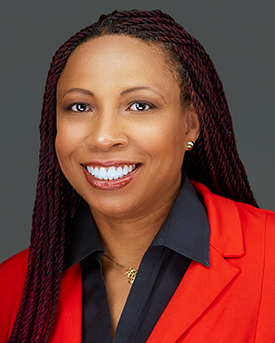
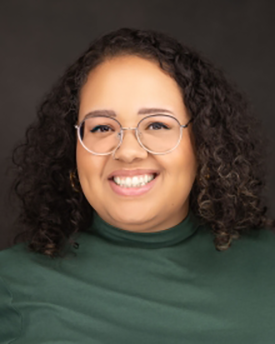
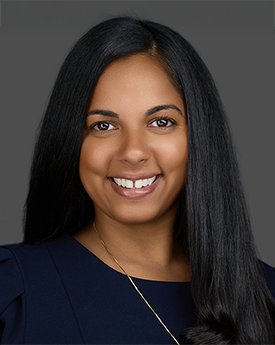
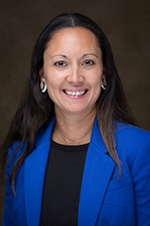
Shirlene Coopwood, Ph.D., associate professor in the Department of Counseling, is the project’s principal investigator (PI). She is joined by co-principal investigators (co-PIs) Maylee Vazquez, Ph.D., and Tyreeka Williams, Ph.D., assistant professors in the Department of Counseling, and Jennifer Beasley, Ph.D., assistant professor in the Department of Family and Consumer Sciences in the College of Agriculture and Environmental Sciences.
The ASCEND project aims to increase the number of school counselors trained to serve students with disabilities and to support them in developing the skills and knowledge to be successful in the community/school setting. The project focuses on recruiting scholars, including scholars with disabilities, pursuing an M.S. in school counseling who are interested in working with school-aged students with disabilities. Through a one-year fellowship program, the ASCEND project aims to develop 40 scholars in school counseling over the grant period.
“This grant will strengthen our ability to prepare highly skilled school counselors who can make a meaningful impact in schools and communities,” said Coopwood. “Our focus on serving students with disabilities ensures that future school counselors are equipped to meet the needs of all our students.”
The School Counseling program at N.C. A&T is designed for those seeking a professional career in elementary or secondary school counseling. It is a 60-hour program nationally accredited by the Council on the Accreditation of Counseling and Related Educational Programs (CACREP).
The Clinical Rehabilitation Counseling Program has secured a combined $2 million in federal funding over five years to strengthen the state’s rehabilitation counseling workforce — one of the most significant recent investments in the university’s nationally ranked counseling programs. The funding comes through two separate $1 million awards from the Rehabilitation Services Administration (RSA): the Aggie Clinical Rehabilitation Scholars project and the Aggie Clinical Rehabilitation Scholars – Mental Health project. These grants also run from Oct. 1, 2025, to Sept. 30, 2030.

 Paige Dunlap, Ph.D., professor in the Department of Counseling, serves as PI for both initiatives, with Caroline Booth, Ph.D., professor and chair of the Department of Counseling, serving as co-PI.
These grants directly support A&T’s M.S. in clinical rehabilitation counseling, which is ranked No. 49 in the nation by U.S. News & World Report. The programs prepare highly trained vocational rehabilitation (VR) counselors equipped to meet the needs of those with disabilities and those with mental health disorders in VR settings.
Across the five-year funding period, approximately 20 students per year — 10 in each program —pursuing an M.S. in counseling and earning a certificate in Rehabilitation Counseling and Behavioral Addictions or Vocational Evaluation and Work Adjustment will receive RSA scholarships.
In addition to expanding the pipeline of certified rehabilitation counselors, the projects will:
Both projects will incorporate formative and summative evaluations, gathering quantitative and qualitative data to assess outcomes, improve curriculum and training components, and ensure strong partnerships with key stakeholders across state VR systems.
“The Aggie Clinical Rehabilitation Scholars programs are a direct response to workforce demands,” said Dunlap. “With advanced training and RSA scholarships, we are expanding the number of professionals ready to serve individuals with disabilities and mental health challenges across North Carolina.”
“This funding reflects N.C. A&T’s commitment to inclusive education and community engagement,” said Booth. “We are proud to lead initiatives that expand access to high-quality counseling services statewide.”
A&T’s Clinical Rehabilitation Counseling program was developed with substantial input from the North Carolina Division of Vocational Rehabilitation, the North Carolina Division of Services for the Blind, and other community rehabilitation programs. These partners continue to guide program development through the External Advisory Committee.
The program is a 60-credit-hour, CACREP-accredited degree that includes a 100-hour practicum and a 600-hour internship in public rehabilitation settings across the state. The department also offers certificates in rehabilitation counseling and behavioral addictions and in vocational evaluation and work adjustment.
Media Contact Information: jtorok@ncat.edu
